 Ultimate guide
Is Dental Work Expensive? What Patients Actually Pay
Last Updated: November 1, 2026
Quick Summary
Is dental work expensive? For many patients, yes, because costs reflect skilled labor, specialized equipment, sterilization, lab work and clinic overhead. Routine care costs least, while restorative and surgical procedures cost more, and insurance and financing can reduce what you pay.
- Routine care like exams and cleanings is usually the least expensive category.
- Surgical work such as extractions and implants generally costs the most.
- Ask whether a low quote includes exams, X-rays, lab fees and follow-up visits.
- Insurance rarely covers everything and plans set annual maximums that limit coverage.
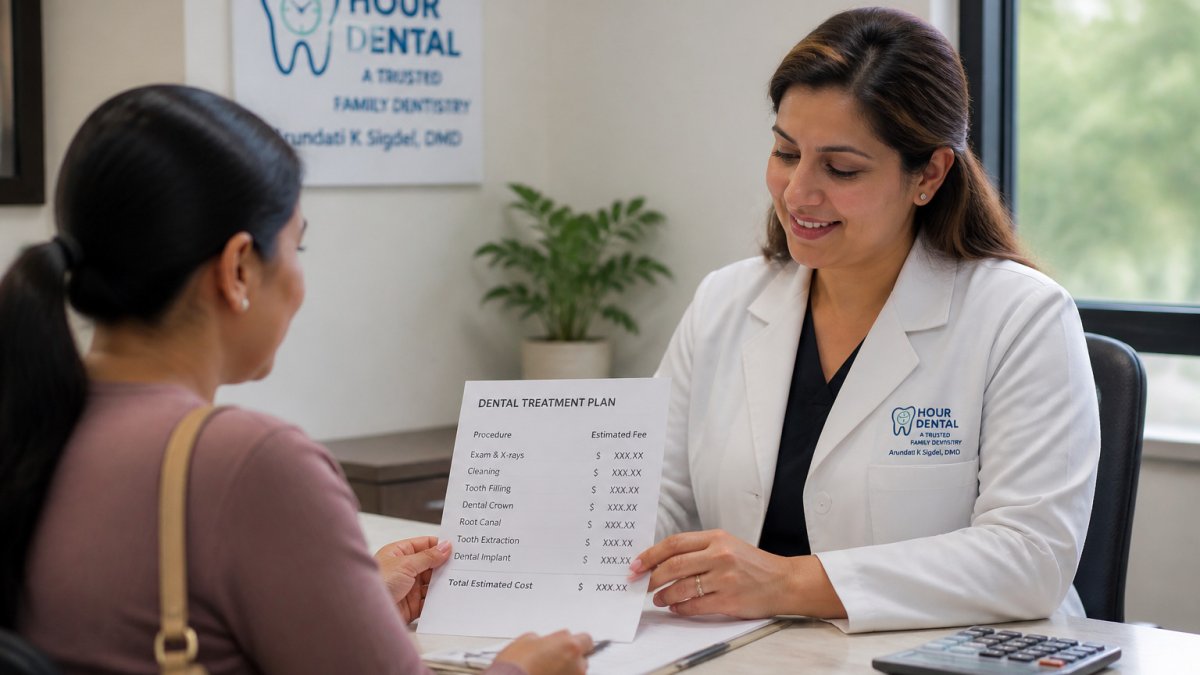
- Request a written treatment plan before any procedure to avoid surprise charges.
Table of Contents
- Why Dental Work Costs What It Does
- Common Dental Procedures and What They Typically Cost
- Factors That Change What You Pay
- How Dental Insurance Affects Your Out-of-Pocket Cost
- Dental Financing Options in Baltimore
- Dental Payment Plans for Uninsured Patients
- Booking an Affordable Visit at Hour Dental
- Frequently Asked Questions
Why Dental Work Costs What It Does
Is dental work expensive? For many patients, yes, and the price can surprise people who only see a dentist once or twice a year. Dental care is priced around skilled labor, specialized equipment, sterilization, lab work and the overhead of running a clinic, and those costs add up quickly.
Much of the price comes down to time and precision. A filling, crown or extraction requires trained hands, sterile instruments and careful imaging, and each step carries a cost. Materials matter too. A composite filling and a porcelain crown differ in durability, appearance and fee.
Watch out: a low quote is not always a low total. Ask whether the estimate includes exams, X-rays, lab fees and follow-up visits before you compare offices.
Common Dental Procedures and What They Typically Cost
Pricing varies by practice, region and the complexity of each case, so we do not list specific fees here. Instead, here is how the common categories compare in general terms.
Routine care is usually the least expensive category and the one that prevents the most expensive problems later. Restorative and surgical work costs more because it involves more time, materials and clinical judgment. A simple filling is generally far less than a crown, and a crown is generally far less than an implant or surgical extraction.
Routine Care: Exams, Cleanings and X-Rays
Routine visits generally cover the exam, the cleaning and, when needed, X-rays that show what the eye cannot. Compare local cleaning costs in Baltimore County. Coverage for these visits depends on the patient's insurance plan. Regular checkups can help catch small problems early, which is generally less costly than treating an advanced one. See how often to schedule visits.
Restorative and Surgical Procedures
Restorative work includes fillings, crowns, bridges and root canals. Surgical work includes extractions, implants and gum procedures. Costs depend on the tooth involved, the material chosen and how much tissue is affected, so an exact estimate usually requires an examination first. For pricing specific to your situation, visit the Hour Dental website or contact the office for a quote.
The table below summarises how the common categories compare in general terms.
| Category | Examples | Relative cost |
|---|---|---|
| Routine care | Exams, cleanings, X-rays | Usually the least expensive |
| Restorative work | Fillings, crowns, bridges, root canals | Costs more; depends on tooth and material |
| Surgical work | Extractions, implants, gum procedures | Generally the most expensive |
Factors That Change What You Pay
Several variables shape your final bill, and understanding them helps you plan. Location can affect overhead, so practices in different areas may price services differently. Your insurance plan determines how much of each service it covers. The materials your dentist recommends, such as a metal versus a porcelain crown, also change the total.
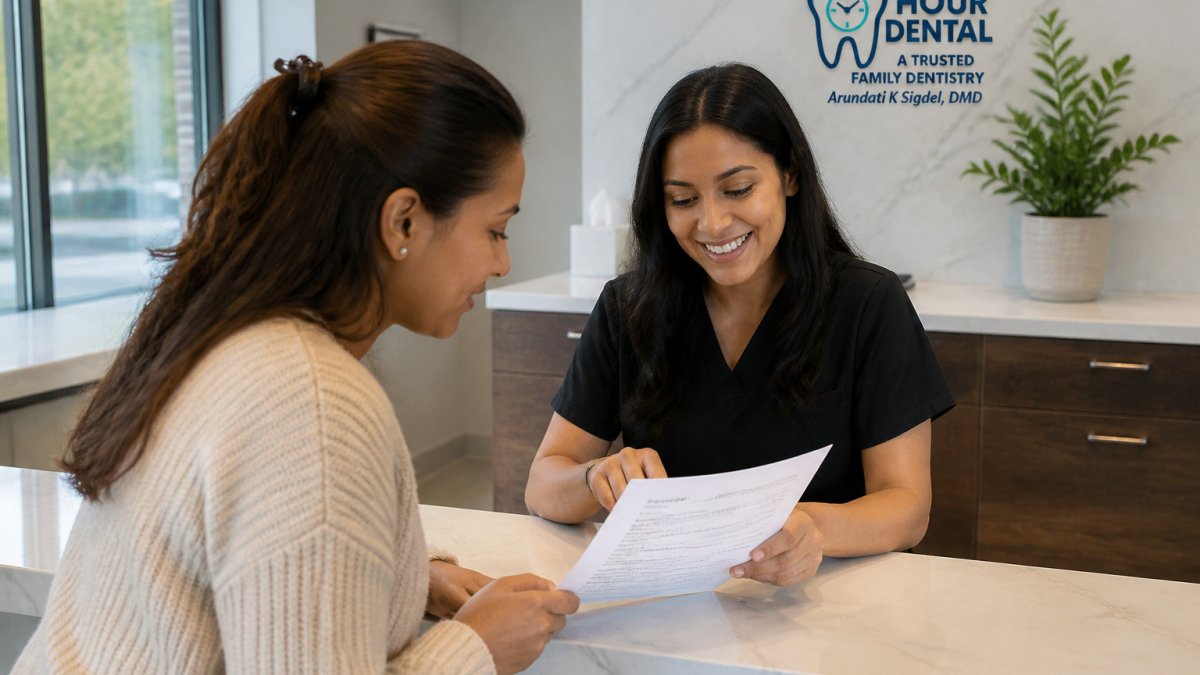
Timing and complexity matter as well. A problem caught early is usually simpler and less costly to treat. Emergency visits can cost differently from scheduled appointments depending on the care required. Planned treatment often lets you spread costs out and compare options before committing.
Watch out: ask for a written treatment plan before any procedure. Without one, it is easy to be surprised by add-on charges for work discovered during the visit.
How Dental Insurance Affects Your Out-of-Pocket Cost
Dental insurance rarely covers everything, but it can reduce what you pay substantially. Most plans cover preventive care such as cleanings and exams at a high percentage, then cover basic and major procedures at lower percentages. Plans also set annual maximums, so a large procedure late in the year may leave you paying more.
Before booking, check which plans the practice accepts and how your specific coverage applies. Contact the office to confirm which plans are accepted. Review the insurance options we work with. Asking your insurer for a pre-treatment estimate can also show your expected out-of-pocket amount before work begins.
Dental Financing Options in Baltimore
Financing can make larger treatments manageable. Many dental offices offer in-house payment plans, and third-party financing companies provide healthcare credit cards or installment loans. Read the terms carefully, because some plans carry interest or fees if the balance is not paid within a promotional window.
You can ask your dental office directly what financing options they offer and how each one affects your total cost. Compare the monthly payment, the interest rate and the total amount paid over the life of the plan before you commit.
Dental Payment Plans for Uninsured Patients
If you have no dental insurance, an in-house payment plan or a discount program may be the most practical route. Some offices offer reduced fees for patients who pay upfront, and others spread the cost of a larger treatment over several months without interest. Compare ways to pay for procedures before you book. Ask whether a plan requires a down payment and what happens if a payment is missed.
Booking an Affordable Visit at Hour Dental
Hour Dental serves families, patients with dental anxiety and anyone needing emergency care in Dundalk, Highlandtown and Baltimore County. We focus on a gentle, long-term relationship with our patients. If you are unsure what your visit will involve, contact us to ask about pricing or to schedule an appointment.
Frequently Asked Questions
Why is dental work so expensive in the United States?
Dental care in the United States is largely paid out of pocket or through private insurance, not a single national price schedule, so fees reflect local overhead, equipment, lab work and the training required for clinical staff. Materials such as crowns and implants add cost, and dental insurance plans often have annual maximums and waiting periods that leave patients covering much of the bill themselves. Comparing written estimates from more than one office is the most practical way to see how prices vary for the same procedure.
How can I afford dental work in Baltimore if I don't have insurance?
Ask the office for a written estimate before treatment, then ask about cash or self-pay discounts, in-house payment plans and third-party dental financing. Prioritize urgent needs such as infections or pain, and schedule preventive visits to avoid larger problems later. Check whether a community health center or dental school clinic in the Baltimore area offers sliding-scale fees, and confirm current eligibility and pricing directly with each provider.
Is it cheaper to pay out-of-pocket or use dental insurance?
It depends on the plan and the procedure. Insurance usually covers a percentage of preventive and basic care, but annual maximums and waiting periods can limit benefits, so a patient who needs a large procedure may pay less by planning around the plan's cycle. Ask the office to submit a pre-treatment estimate to your insurer so you know your expected share before work begins.
Does Maryland Medicaid cover dental work for adults?
Coverage rules and benefit levels for adults can change, so check the current details with the Maryland Department of Health or your local Medicaid office rather than relying on general information. Ask any dental office whether it accepts Maryland Medicaid for the specific services you need before scheduling.
Ready to get a clear picture of your dental costs? Contact Hour Dental to schedule a visit or ask about pricing, and book online to choose a time that works for you.