 Ultimate guide
Comprehensive Family Dental Services Explained
Quick Summary
Comprehensive family dental services cover the full range of care a household needs under one roof, including routine cleanings and exams, fillings, crowns, cosmetic work and urgent visits. A single team can track each person's records and history over time. Hour Dental provides family and emergency dental care to patients of all ages in Dundalk, Highlandtown and Baltimore County.
- Routine exams and professional cleanings help catch small problems before they need more involved treatment.
- Ask any practice which services it performs in-house and which it refers out before booking.
- Fillings, crowns and bridges restore damaged or missing teeth for adults and children.
- Same-day emergency visits are available for sudden tooth pain or injury.
- Ask the office for a cost estimate and whether your plan covers the treatment before work begins.
Table of Contents
- What Comprehensive Family Dental Services Include
- Preventive Dental Care: Exams, Cleanings, and Early Detection
- A Family Dentist for All Ages: Children, Adults, and Older Adults
- Restorative Dental Care: Fillings, Crowns, and Bridges
- Cosmetic Options, Emergency Visits, and Where Comprehensive Services Fit
- Insurance, Costs, and Choosing a Family Dental Provider in Baltimore
- Booking Your First Family Visit at Hour Dental
- Frequently Asked Questions
What Comprehensive Family Dental Services Include
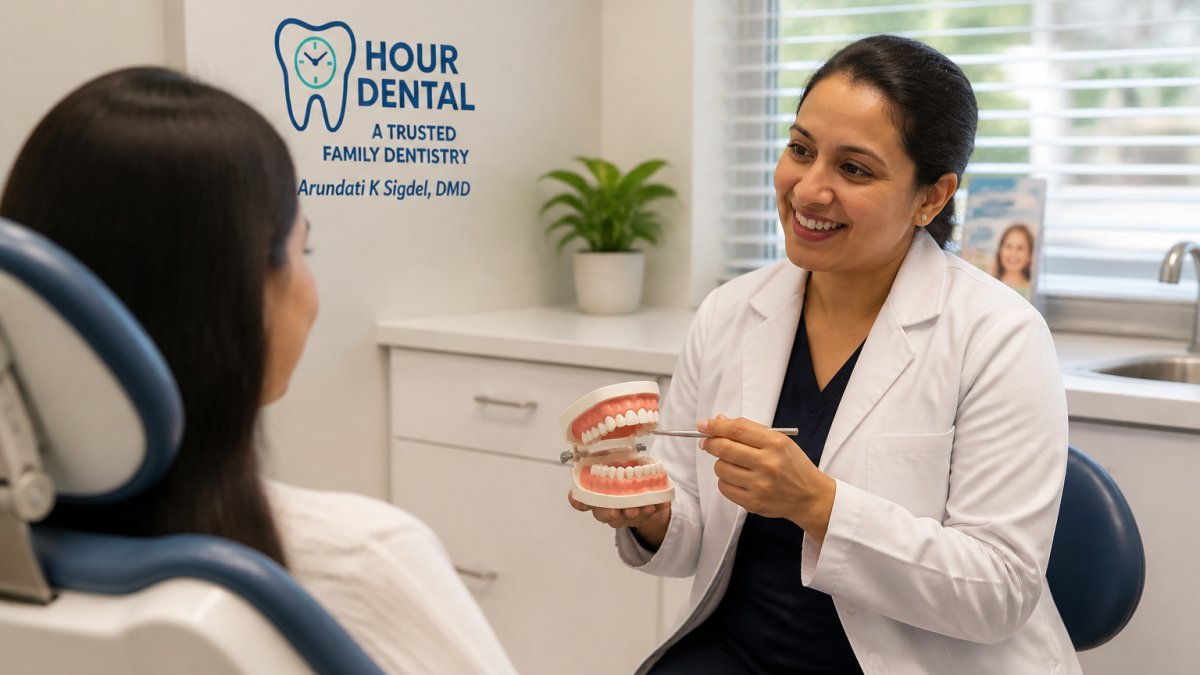
Comprehensive family dental services cover the full range of care a household needs under one roof, from routine cleanings and exams to fillings, crowns, cosmetic work and urgent visits. Hour Dental, led by Dr. Arundati Kharel Sigdel, provides family and emergency dental care to patients of all ages in the Dundalk, Highlandtown and Baltimore County communities. Continuity is one advantage of comprehensive family care, since a single team can keep track of each person's records and history.
A comprehensive practice typically handles preventive care, diagnosis and treatment planning, restorative work and cosmetic options. Many families also value knowing that same-day emergency visits are available when a tooth is suddenly painful or injured.
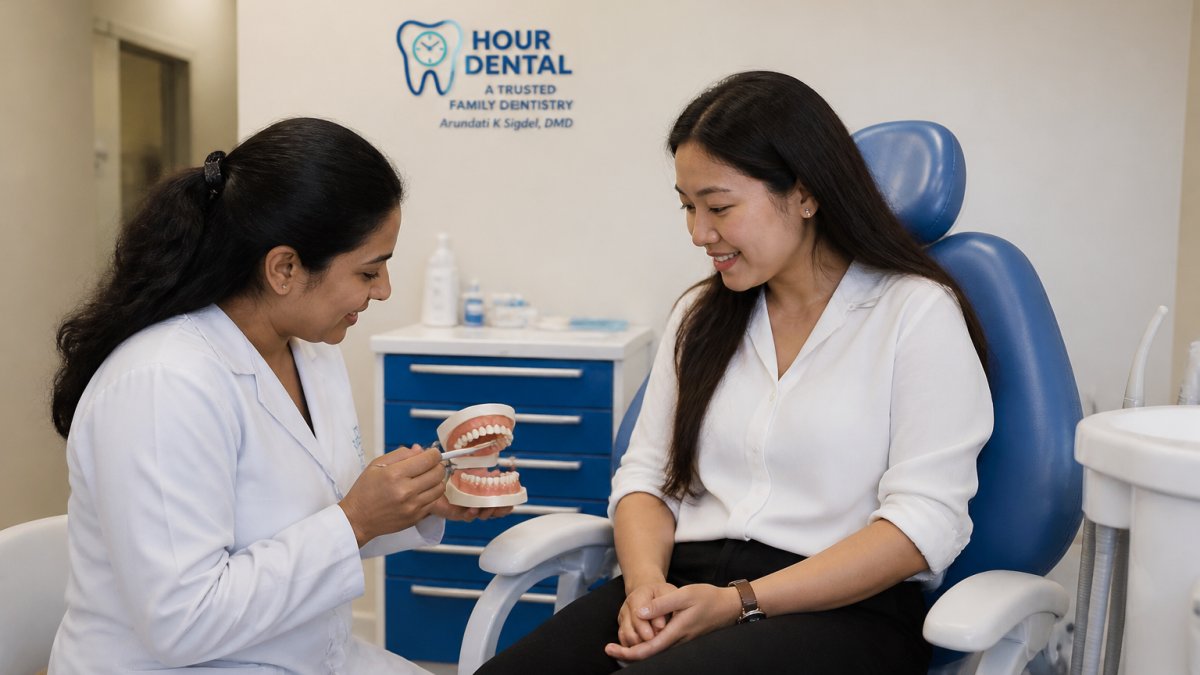
What separates a genuinely comprehensive practice from one that simply lists many services is what happens at the first visit. A thorough comprehensive exam generally includes a health history, examination of the teeth, gums and soft tissues, and a discussion of findings. Ask any dental office to describe its own exam process before you book.
Before booking, ask any practice which services it performs in-house and which it refers out, including children's and adults' care, restorative work and emergency visits. A clear answer helps you judge whether the practice can be your family's dental home.
The article lists the main services a comprehensive family practice typically covers, summarised below.
| Service | Who it serves | Key point |
|---|---|---|
| Routine cleanings and exams | Whole family | Catch small problems early |
| Fillings, crowns and bridges | Adults and children | Restore damaged or missing teeth |
| Cosmetic options | Adults | Planned alongside health care |
| Same-day emergency visits | Whole family | For sudden pain or injury |
Preventive Dental Care: Exams, Cleanings, and Early Detection
Preventive dental care is the foundation of comprehensive family services. Regular exams and professional cleanings help catch small problems, such as early tooth decay or gum irritation, before they require more involved treatment. Many dentists recommend checkups at intervals set by your dentist, often every six months, though the right schedule depends on the individual.
During a routine visit, the dentist examines the teeth and gums and may take X-rays when needed. Professional cleanings remove plaque and tartar that brushing and flossing miss. Some visits also include fluoride treatment or dental sealants, which can help protect teeth from decay, particularly for children.
A common mistake is treating cleanings as optional when nothing hurts. Many early-stage problems cause no pain at all, so a routine exam is often where they are first noticed.
A Family Dentist for All Ages: Children, Adults, and Older Adults
Different life stages call for different dental priorities, and a family practice should be able to address them all. A good family dentist adjusts care to each patient's age, habits and risks rather than applying one routine to everyone.

Dental Care for Children
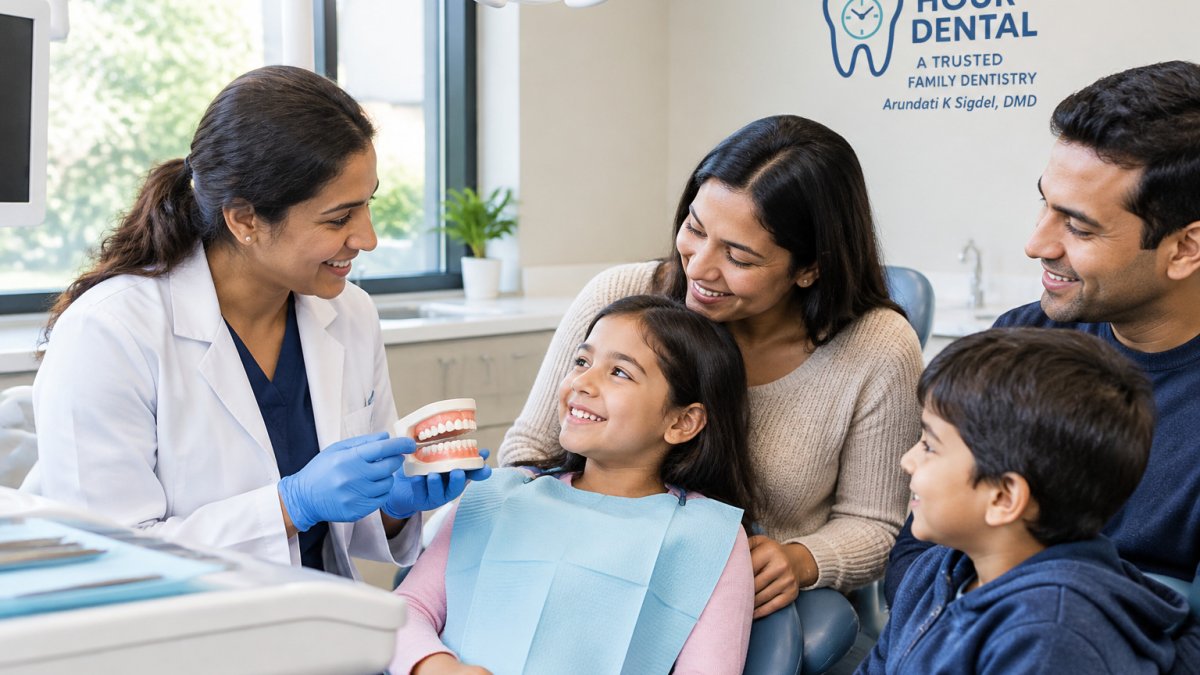
For children, care usually focuses on establishing healthy habits, monitoring the development of permanent teeth, and preventing decay. Sealants and fluoride treatments are common preventive tools for younger patients. Parents often find it helpful when the whole family can be seen on the same day.
Adult and Older Adult Care
Adults often need attention to gum health, restorative work and, in some cases, cosmetic options. Older adults may face issues such as gum recession, tooth loss, and changes in dental work over time. Regular exams help the dentist monitor these changes and adjust the treatment plan accordingly. Continuity matters here: a dentist who knows your history can spot changes more easily than one seeing you for the first time.
Restorative Dental Care: Fillings, Crowns, and Bridges
Restorative dentistry repairs and replaces damaged teeth. Common treatments include fillings for cavities, crowns that cover a tooth to restore its shape and strength, and bridges that replace one or more missing teeth by anchoring to neighboring teeth.
The right treatment depends on the extent of the damage, the tooth's location and the patient's overall oral health. A dentist typically explains the options, their trade-offs and expected longevity before any work begins. Ask about the expected timeline, how many visits are needed and what aftercare is required.
Cosmetic Options, Emergency Visits, and Where Comprehensive Services Fit
Cosmetic dentistry includes options such as teeth whitening and veneers, and it is often pursued alongside restorative care. Whitening results vary between patients, and a dentist can advise whether it suits your teeth and gums. Cosmetic work is usually discussed as a separate goal from health treatment, so the two can be planned together without confusion. You can learn what is offered on our cosmetic dentistry page.
Emergency dental visits are a distinct part of comprehensive care. Sudden tooth pain, a knocked-out tooth or a broken restoration needs prompt attention. Hour Dental offers same-day emergency dental care for sudden pain or injury, which can help avoid waiting weeks while a problem worsens. You can see how to get urgent care from the practice. Seek urgent care right away for heavy bleeding, facial swelling that affects breathing or swallowing, or injuries to the jaw.
A comprehensive practice is most useful when cosmetic, restorative, preventive and emergency services are all available in one place, because the dentist can coordinate them into one plan.
Insurance, Costs, and Choosing a Family Dental Provider in Baltimore
Cost is one of the most common reasons families delay dental care, so it helps to understand how dental spending actually works before you book. Dental plans commonly differ in how they cover preventive, basic and major services, and many set an annual maximum benefit. These are general patterns, not promises about any specific plan, so confirm the details in your own benefit booklet.
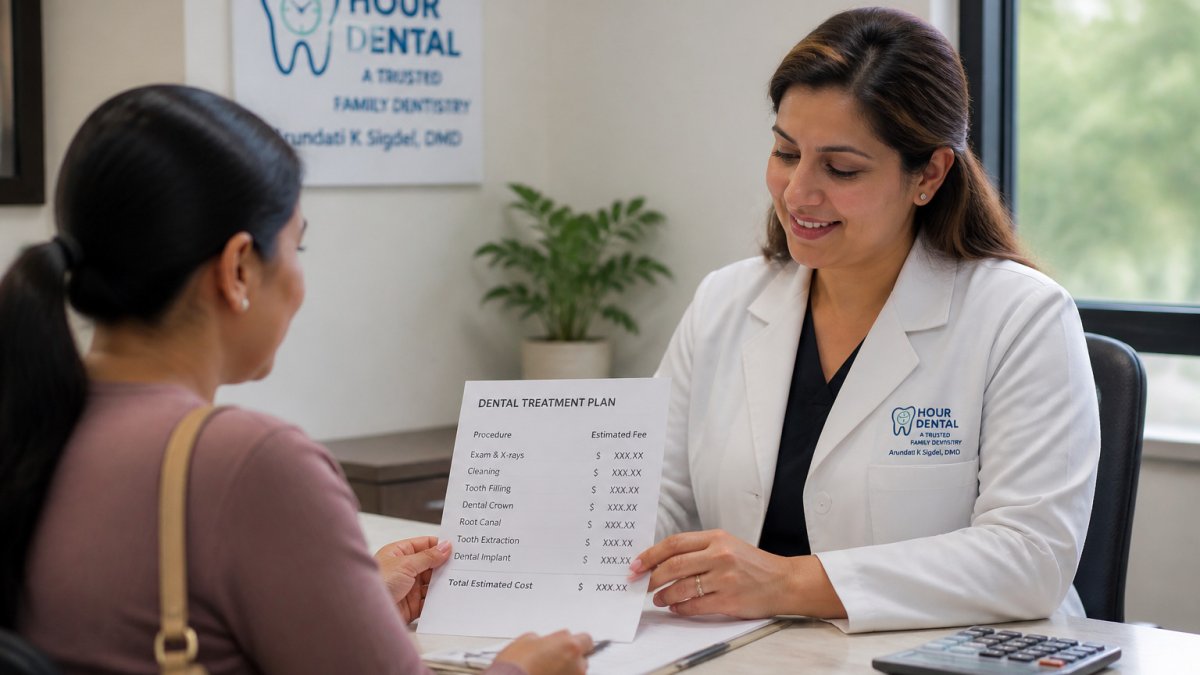
A practical way to estimate out-of-pocket cost before treatment is to ask the office for an estimate of what treatment will cost you. Ask three questions at that stage: Is this service covered under my plan? Has my annual maximum already been used? Is there a waiting period or frequency limit on this treatment?
A low monthly premium does not always mean lower total cost, so compare the annual maximum, coverage for basic and major work, and any waiting periods rather than the premium alone.
If you do not have dental insurance, ask the office what payment options exist for treatment that is not covered, and how it handles claims if you have a plan.
When choosing a family dental provider in Baltimore, use a neutral checklist rather than a single impression. Consider:
- Services offered in-house versus referred out, including children's care, restorative work, cosmetic treatment and emergency visits
- Credentials and continuing education
- Accessibility: location and transit access, and office hours
- Communication: whether the team explains findings, shows you images, and gives written treatment plans and cost estimates before work begins
- Referral practices: how the office coordinates with specialists such as orthodontists, oral surgeons, periodontists and endodontists, and whether records are shared
- Comfort measures for anxious patients and how the team handles children's first visits
Comparing practices against the same checklist side by side is more useful than judging any single office in isolation. For this location, see our dentist in Baltimore City page. For specific insurance questions and current prices, contact the office directly, since only the practice can confirm what it accepts today. You can check the insurance options the practice accepts.
Booking Your First Family Visit at Hour Dental
Booking a first family visit is simple. Schedule an appointment online or by phone, and let the team know about each family member's needs, such as a child's first checkup, an adult's restorative concern or an older relative's ongoing care. Use our contact us page to book. Bring insurance information, a list of current medications and any past dental records you have, which can help the office understand your history.
For care that fits the whole household, Hour Dental offers family and emergency dental care, including cosmetic smile enhancements. To get started, reach out through the contact page on the Hour Dental website and book your family's visit.
Frequently Asked Questions
What do comprehensive family dental services include?
Comprehensive family dental services cover routine exams and cleanings, diagnosis of tooth and gum problems, fillings, crowns, bridges, and emergency care, along with cosmetic options such as whitening. A key advantage is continuity: children, adults, and older adults can be seen in one office. Services and availability vary by practice, so confirm the specific list with the office before booking. A consultation is the best way to match services to your family's needs.
What is preventive dental care?
Preventive dental care is routine treatment aimed at stopping problems before they become painful or expensive. It typically includes professional cleanings to remove plaque and tartar, dental examinations to check for cavities and gum disease, and home guidance on brushing and flossing. Some offices also apply fluoride or sealants when appropriate. How often a person needs visits depends on their oral health, so your dentist can recommend a schedule during an exam.
How often should family members visit the dentist?
Many dentists recommend a checkup and cleaning about every six months, but the right interval depends on each person's oral health, age, and risk factors for cavities or gum disease. Children, older adults, and people with a history of dental problems may need visits at different intervals. Ask your dentist to set a schedule for each family member. Keeping everyone's appointments in one office can make scheduling simpler.
How can I tell whether a dentist is a good fit for my family?
Look for a practice that treats all ages, explains treatment options clearly, and gives you time to ask questions. Consider whether the office handles routine care, restorative work, and emergencies, and whether it is accessible to your home or work. Ask about the dentist's training and how the team supports nervous patients. Reading patient reviews and scheduling a consultation can help you decide whether the practice fits your family's needs.
What are common signs that you may need restorative dental care?
Signs that restorative work may be needed include tooth pain, sensitivity to hot or cold, visible holes or dark spots, cracked or chipped teeth, and gaps from missing teeth. Loose fillings or crowns that no longer fit well can also signal a need for repair. Only a dental exam can confirm the cause, so if you notice these symptoms, schedule a visit rather than waiting for the problem to worsen.
Does dental insurance cover dentures?
Coverage for dentures varies widely by dental plan, and many plans cap annual benefits or apply waiting periods to major services. Check your specific policy or ask the office to verify benefits before treatment. Your plan's summary of benefits will list what is covered and any limits. If you are uninsured, ask the practice about payment options and estimates before starting treatment.
What should I do for a dental emergency in Baltimore?
For sudden tooth pain, a knocked-out tooth, or an injury to the mouth, contact a dental office as soon as possible rather than waiting. Hour Dental offers same-day emergency dental care for patients in the Dundalk area and Baltimore County. Seek immediate medical care if you have trouble breathing, swelling that affects your airway, or a fever with facial swelling. Call ahead so the team can advise you on next steps.
Note: Specific insurance, fee and appointment details should be confirmed directly with Hour Dental, as they can change.