 How-to
9 Steps to Prepare for a Dental Exam in 2026
Last Updated: November 14, 2026
Quick Summary
To prepare for a dental exam, gather your photo ID, insurance card and a current list of medications, allergies and health conditions. Brush and floss as usual, since your dentist needs to see clean teeth and gums. Share any recent medical changes and bring questions so the visit runs smoothly.
- Bring a photo ID, insurance card, current medication list and records of past dental work.
- Include vitamins, supplements and recreational substances in your medication list.
- Confirm any antibiotic premedication instructions with your physician or cardiologist before the visit.
- Brush and floss normally; do not skip flossing if your gums bleed easily.
- Ask the front desk for an estimated appointment length when you book.
Table of Contents
- What a Dental Exam Involves and Why Preparation Helps
- What to Bring to a Dental Appointment
- Preparing Your Medical History, Medications and Allergies
- Brushing, Flossing and Eating Before Your Visit
- What Happens During a Dental Exam and How Long It Takes
- Dental Anxiety Tips for Your Next Appointment
- Booking Your 2026 Exam at Hour Dental in Dundalk
- Frequently Asked Questions
What a Dental Exam Involves and Why Preparation Helps
Most people who prepare for a dental exam in 2026 arrive with a clear head, the right paperwork and a few answers ready. Good preparation makes the visit faster, more accurate and less stressful, and it helps your dentist catch problems early. Hour Dental, led by Dr. Arundati Kharel Sigdel, serves the Dundalk community, and our team sees preparation as a shared job between patient and dentist.
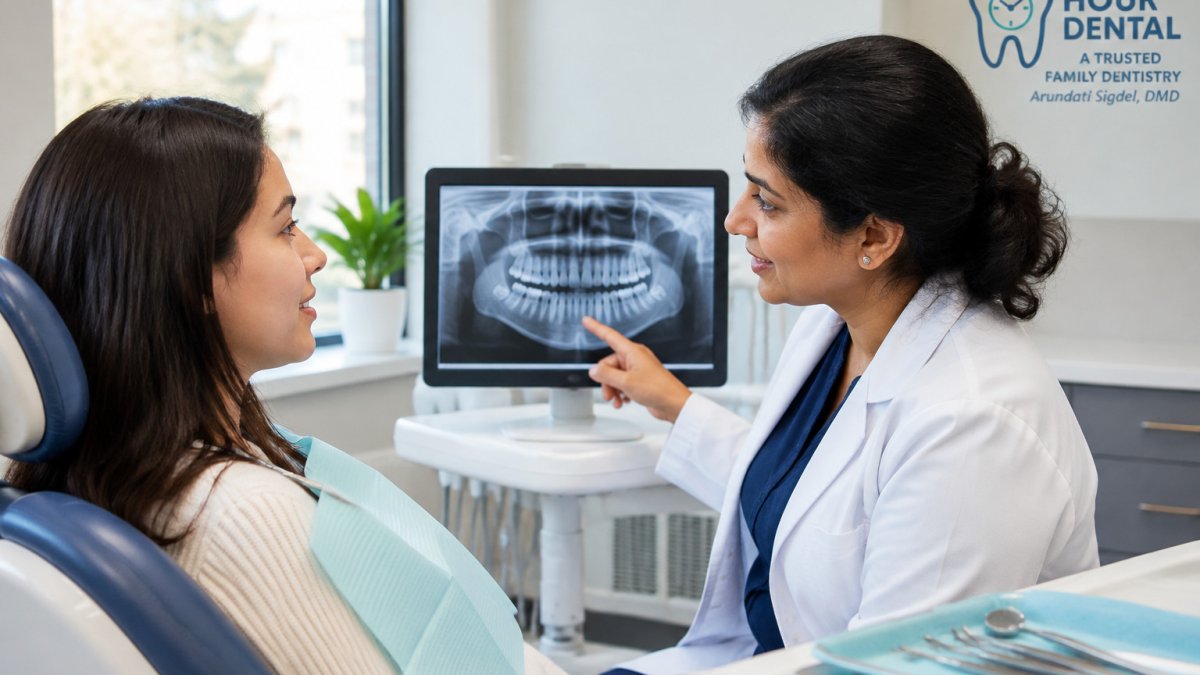
A routine dental exam usually includes a visual check of your teeth and gums, a look at existing fillings or crowns, a review of your health history, and often a cleaning. Your dentist may also take X-rays to see areas that cannot be checked by eye, such as the spaces between teeth and the bone around the roots. Preventive care aims to find early signs of tooth decay, cavities, plaque buildup and gum disease before they cause pain.
Preparation also helps the appointment run smoothly. When you know what to bring and what to expect, you can ask better questions and make clearer decisions about your care.
What to Bring to a Dental Appointment
Gather a few items before you leave home. Having them ready keeps check-in quick.
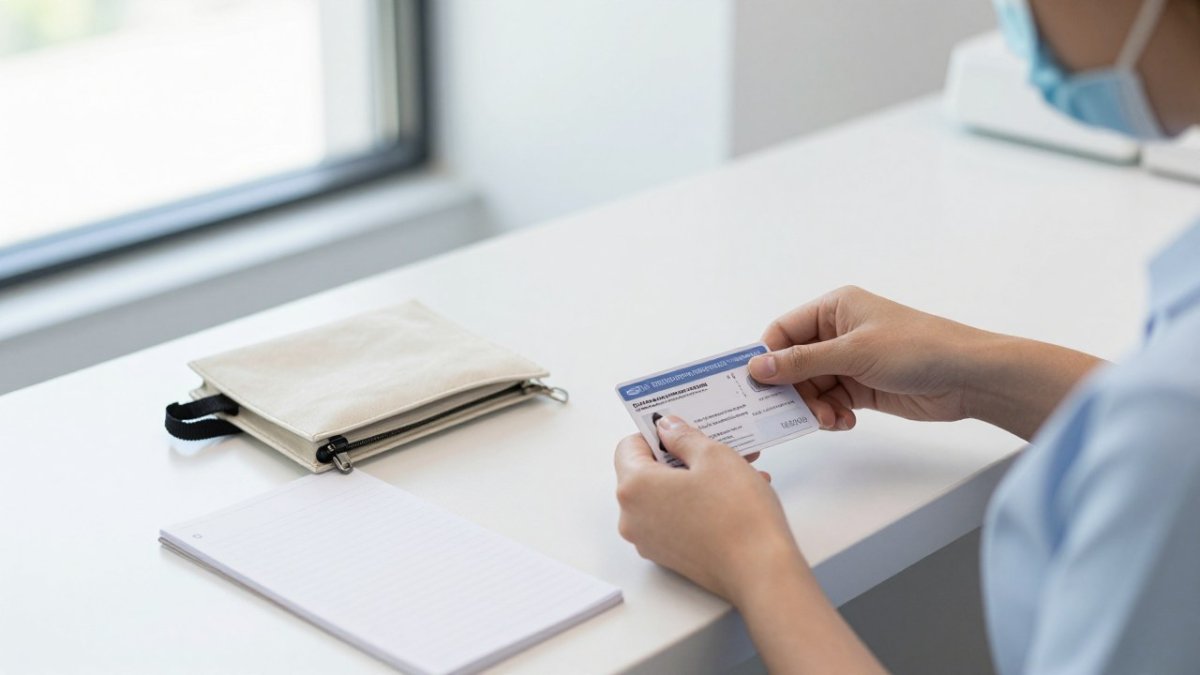
- A photo ID and your insurance card
- A list of current medications, including vitamins and supplements
- Names and phone numbers of any other doctors you see
- Records of past dental work, such as crowns, root canals or implants
- A short list of questions or concerns you want to raise
- Your payment method, if you have a copay or balance due
Preparing Your Medical History, Medications and Allergies
Your health history is one of the most important parts of a dental exam. Many conditions and medications can affect treatment, healing and the choice of anesthesia, so accurate answers help your dentist plan safely. The goal is not to memorize your chart but to arrive with a clear, current record your dental team can act on.
Build a one-page health summary before the visit
Include:
- Conditions: heart conditions (including any history of infective endocarditis or valve replacement), diabetes and your most recent A1C if you know it, high blood pressure, kidney or liver disease, bleeding disorders, immune conditions, and sleep apnea.
- Medications: every prescription, over-the-counter drug, vitamin, herbal supplement and recreational substance, with dose and frequency. Blood thinners, bisphosphonates, immunosuppressants, insulin and some antidepressants are especially relevant to dental care.
- Allergies and reactions: medications (especially penicillin and other antibiotics), latex, metals, local anesthetics, and adhesive or impression materials. Note whether the reaction was a rash, swelling or something more serious.
- Pregnancy or possible pregnancy: tell the team early so they can time X-rays and treatment appropriately.
- Recent surgeries, hospital stays or ER visits, and the name and phone number of any specialist you see.
Antibiotics before dental treatment: get a clinician's instruction, not a rumor
Some patients were told years ago to take antibiotics before dental procedures, and that advice has changed. Antibiotic premedication before dental visits is limited to certain cardiac conditions, so ask your physician or cardiologist and your dentist to confirm whether it applies to you. Do not start or stop antibiotics on your own. Tell your dentist what your physician or cardiologist has instructed, and ask them to confirm the plan before your appointment.
Watch out: If you have a heart condition, joint replacement or implanted device and you are unsure whether you need premedication, call your prescribing physician before the visit rather than assuming the old rule still applies.
Bring the details that change treatment decisions
Small facts can change the plan. Tell the team if you take a blood thinner and when you last took it, if you have ever had a reaction to numbing medication, if you have uncontrolled diabetes or high blood pressure, or if you are being treated for cancer. If you use a CPAP machine or have severe anxiety, mention it when you book so the office can prepare.
Prepare for different patient needs
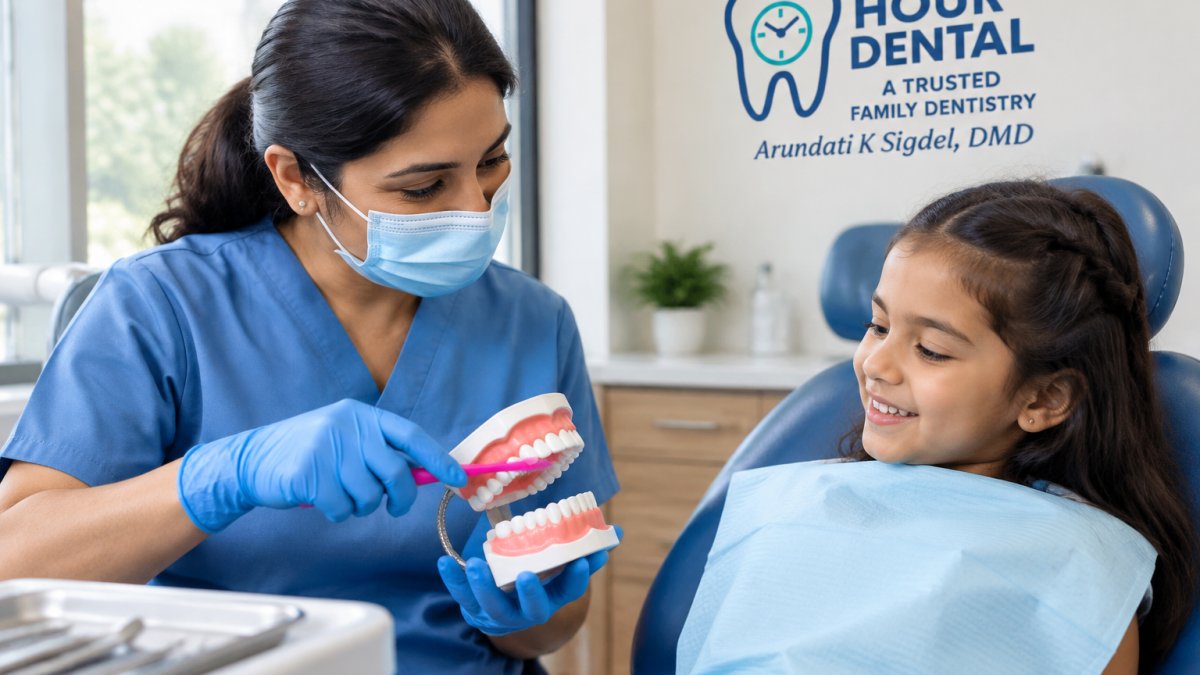
Preparation is not one-size-fits-all. For children, bring the child's immunization record if the office requests it, schedule at a time of day when the child is rested, and use simple, positive language about the visit. For older adults, bring an updated medication list and consider a family member or caregiver who can help recall health details. For patients with dental anxiety, disabilities or complex medical histories, call ahead to discuss accommodations such as a longer appointment, a quiet room, a companion in the room, or a planned pause signal. These conversations are routine for most dental teams and make the visit safer and calmer.
Brushing, Flossing and Eating Before Your Visit
You do not need a special routine before an exam, but normal habits matter. Clean teeth let your dentist see the enamel and gums clearly, and they reduce the food particles and plaque that can hide early problems. The practical goal is a mouth that is comfortable and reasonably clean, not a perfect one.
A simple day-of checklist
- Brush and floss as you normally would that morning. There is no need to brush more aggressively or to skip flossing; in fact, irritated gums from rough flossing can make the exam less comfortable.
- Eat a normal, light meal unless your dentist has told you to fast for sedation or another procedure. Avoid heavy meals with sugary or sticky foods right before the appointment.
- Drink water and skip sugary or acidic drinks in the hour before your visit.
- Bring your toothbrush and floss if you want to clean up after eating or before a long appointment.
- Bring your insurance card, photo ID, medication list and a short list of questions.
What actually helps the dentist see
Plaque and food debris obscure the surfaces your dentist needs to inspect, and heavy tartar can hide the gum line. A normal brushing and flossing routine in the days before the visit does more for diagnostic accuracy than a last-minute scrub. If your gums bleed easily, do not stop flossing before the exam; bleeding is information your dentist needs, and stopping can mask gum inflammation.
Special situations
- Morning appointments: brush and floss as usual, and eat a light breakfast unless told otherwise.
- Appointments with sedation or certain procedures: follow the office's fasting instructions exactly; do not eat or drink if they have told you not to.
- Sensitive teeth or gums: use a soft-bristled brush and avoid very hot or cold foods right before the visit.
- Patients with dry mouth or dentures: clean dentures as usual and bring them to the appointment, and mention dryness so the dentist can check for related issues.
- Children: help them brush before the visit and keep the morning calm and positive; a small snack is fine unless the office says otherwise.
Watch out: Do not skip brushing or flossing because you are worried about bleeding or embarrassment. Bleeding gums are a sign your dentist should see, and most dental teams would rather examine your real mouth than a rushed, over-scrubbed one.
Many patients also find it helpful to avoid smoking or tobacco products for several hours before the visit, since this can affect gum health and how the mouth looks during the exam.
What Happens During a Dental Exam and How Long It Takes
The length of a dental exam varies, so ask the front desk for an estimate when you book. A routine checkup with a cleaning often falls at the shorter end, while a visit with X-rays, a new-patient review or treatment planning can take longer.
Here is what usually happens:
- Check-in and a review of your health history and medications
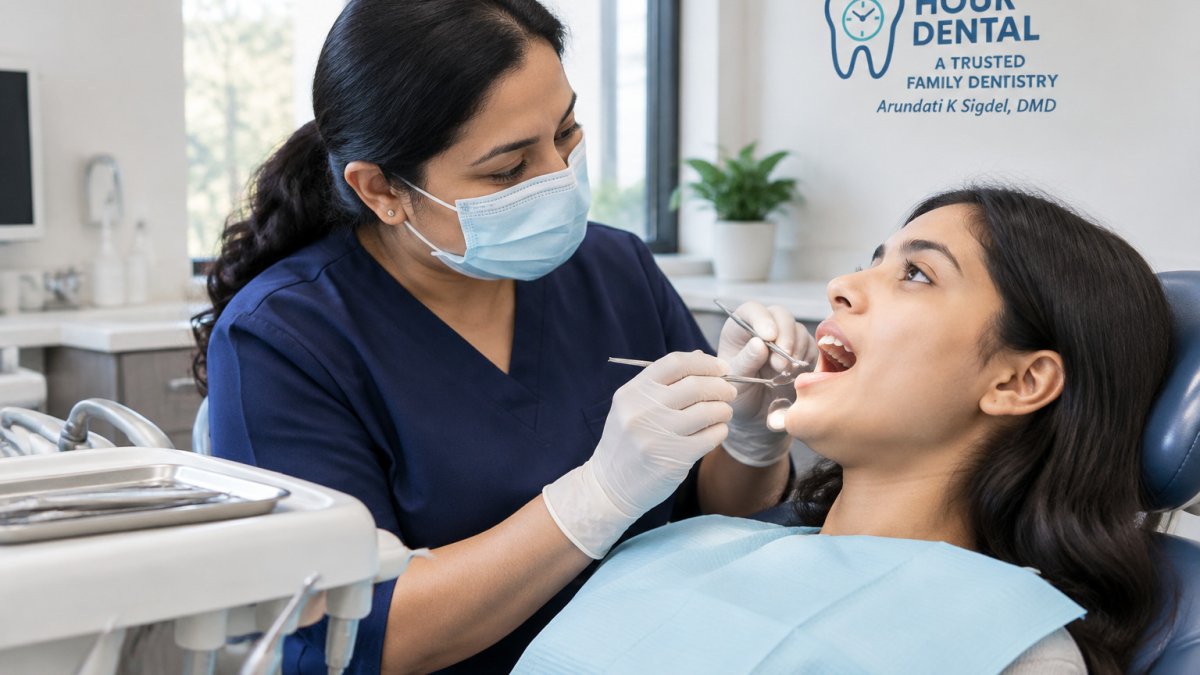
- A visual examination of your teeth, gums, tongue and cheeks
- X-rays, if your dentist recommends them
- Professional cleaning to remove plaque and tartar
- A discussion of findings and treatment recommendations
Your dentist will explain whether X-rays are needed for your care. Ask questions at any point. Your dentist should explain findings in plain language and give you options.
Here is what usually happens during a routine dental exam, in order.
| Step | What happens | Notes |
|---|---|---|
| Check-in | Review of health history and medications | Bring your medication list |
| Visual exam | Check of teeth, gums, tongue and cheeks | Routine part of every exam |
| X-rays | Taken if your dentist recommends them | Show areas not visible by eye |
| Cleaning | Removal of plaque and tartar | Often included in a checkup |
| Discussion | Findings and treatment recommendations | Ask questions at any point |
Dental Anxiety Tips for Your Next Appointment
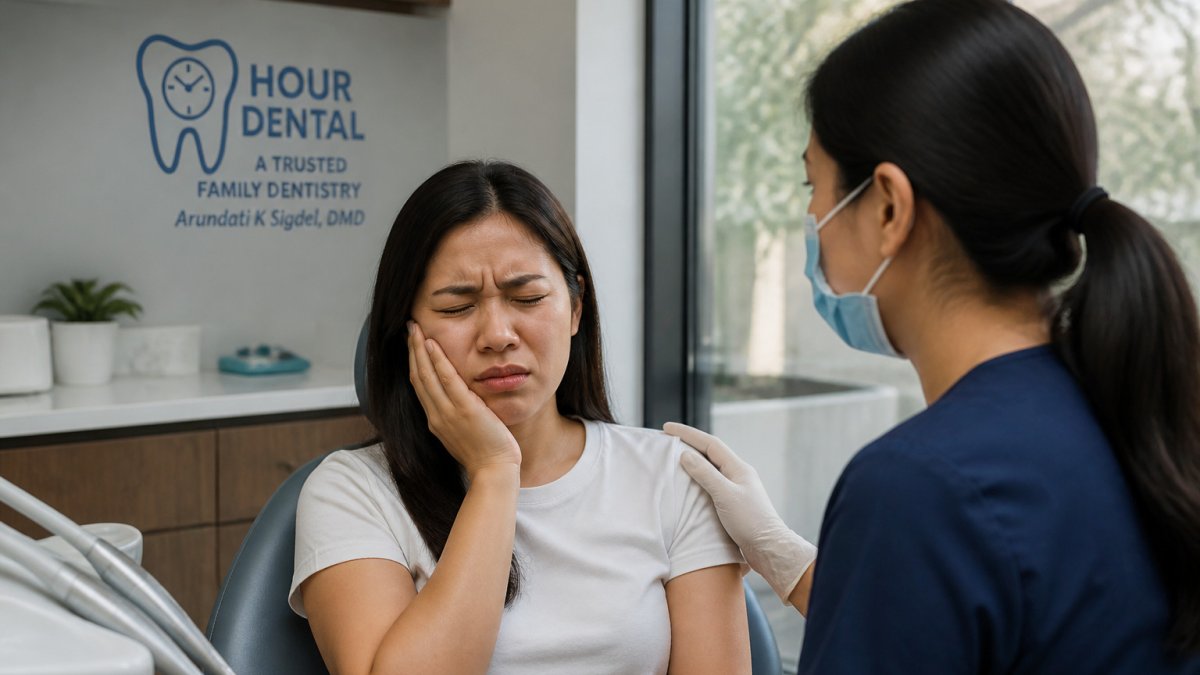
Many people feel nervous before a dental visit. If that describes you, you are not alone, and most dental teams are used to helping anxious patients feel more at ease.
Try these approaches:
- Tell the team about your concerns when you book or check in
- Agree on a hand signal to pause the exam if you need a break
- Ask the dentist to explain each step before it happens
- Bring headphones or music if the office allows it
- Schedule your visit for a time when you feel least rushed
Hour Dental offers a comfortable, patient-focused environment, and our team aims to explain each step so you know what to expect.
Booking Your 2026 Exam at Hour Dental in Dundalk
Ready to schedule? Hour Dental welcomes families and patients of all ages who want a gentle, long-term dental home. Same-day emergency dental care is available for sudden pain or injury, and we offer comprehensive services from general to cosmetic dentistry.
For questions about your visit, you can contact us by phone or visit. When you are ready, schedule your appointment online and receive text and phone confirmation.
If you want to understand why routine visits matter, read our page on the importance of regular dental checkups and treatment. You can also learn how small preventive appointments help avoid bigger dental problems. For more help with nerves, see our guide to managing dental anxiety in seven steps.
Frequently Asked Questions
How long does a dental exam take?
The length of a routine dental exam depends on your oral health and whether X-rays or a cleaning are included, and a first visit may run longer. Appointment length depends on your oral health, whether X-rays are needed, and whether a cleaning is included. When you book, tell the front desk the reason for your visit so they can schedule enough time. Hour Dental can confirm the expected length for your specific appointment.
What should I bring to a dental appointment?
Bring a photo ID, your insurance card if you have one, a list of current medications and supplements, and the names of any doctors who treat you. If you are a new patient, bring records of previous dental work or X-rays if you have them. Also bring a list of questions or concerns you want to discuss. Having these items ready helps the exam move smoothly and gives the dentist a complete picture of your oral and general health.
Should I brush my teeth before a dental exam?
Yes. Brushing and flossing before your visit removes plaque and food debris, which lets the dentist see your teeth and gums more clearly and check for tooth decay or gum problems. Brush for two minutes and floss between your teeth. Avoid heavy brushing right before the appointment if your gums are sensitive, and mention any tenderness to your dental team so they can adjust the cleaning.
How can I manage dental anxiety before my appointment?
Let your dental team know about your anxiety so they can explain each step before it happens. Agreeing on a signal to pause the exam is a common approach. Some patients find that slow breathing, listening to music, or bringing a trusted friend helps. If your anxiety is severe, ask your dentist about options to make you more comfortable. A qualified dental professional can recommend the approach that fits your needs.