 ultimate-guide
What Is Restorative Dental Care? A 2026 Guide
Table of Contents
- What Is Restorative Dental Care?
- Restorative Dental Procedures: Common Treatments Explained
- Restorative vs Cosmetic Dentistry: What's the Difference?
- When You Might Need Restorative Dental Care
- What Happens During a Dental Crown Procedure
- Restorative Dentistry Recovery: What to Expect
- How Hour Dental Supports Baltimore Patients Through Restorative Care
- Conclusion: Repairing Your Smile Starts With One Visit
- Frequently Asked Questions
Last Updated: October 13, 2026
What Is Restorative Dental Care?
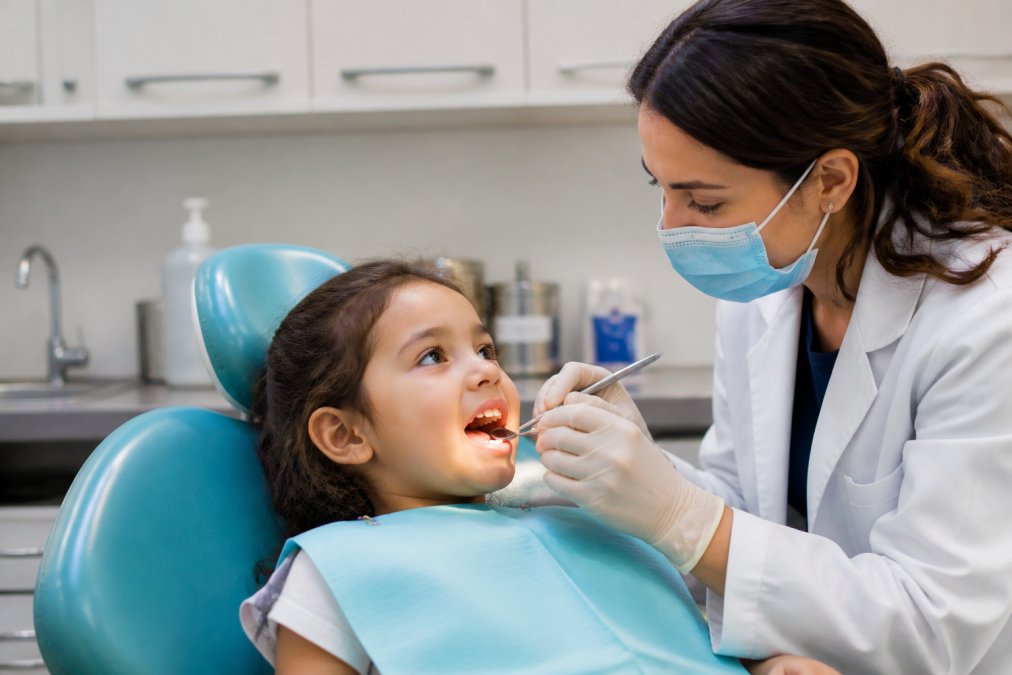
Restorative dental care is the branch of dentistry focused on repairing teeth and oral structures damaged by decay, injury, or wear so that normal chewing, speaking, and appearance are restored. At Hour Dental in Baltimore, MD, we explain it to patients this way: preventive care protects the teeth you have, and restorative care rebuilds the ones that have already been damaged.
That distinction matters more than most people realize. A tooth that hurts when you bite down is not going to heal on its own, and waiting rarely makes the fix cheaper.
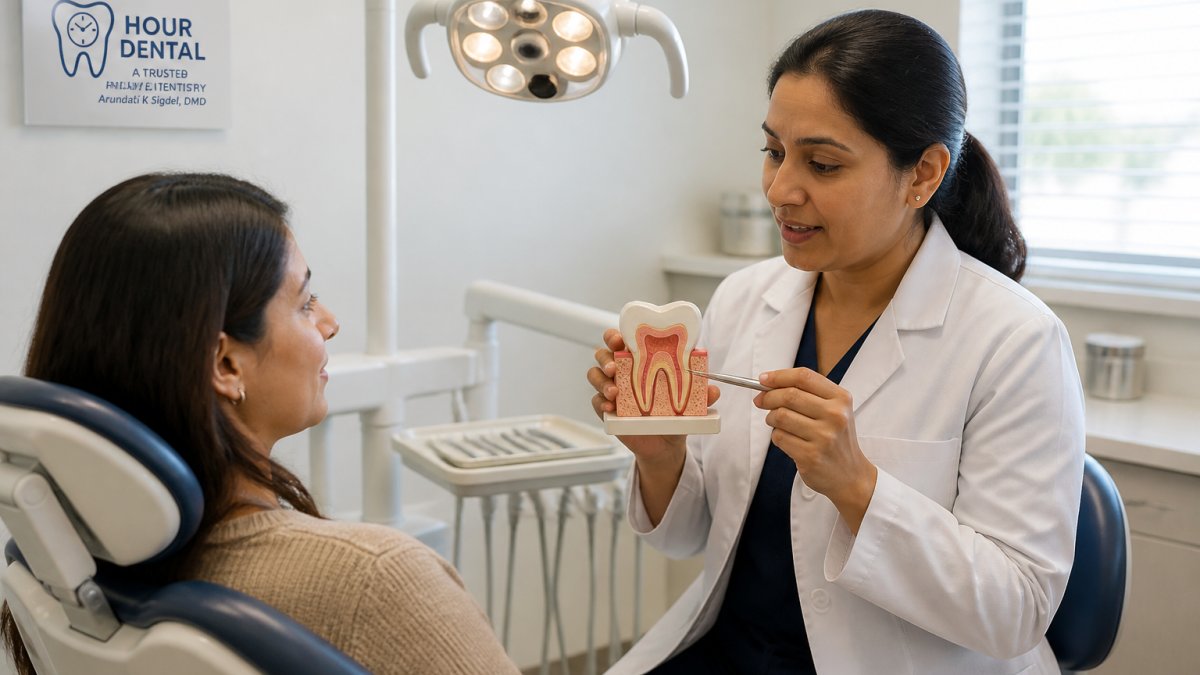
The American Dental Association's overview of dental specialties groups restorative work under general dentistry, which means your regular dentist typically handles most of it rather than referring you out. That is worth knowing if you have been putting off a call because you assume a specialist is required.
Here is the core idea: restorative dentistry treats function first, appearance second. Cosmetic work treats appearance first. Many procedures overlap, but the goal that drives the treatment plan is what separates them.
Restorative Dental Procedures: Common Treatments Explained
The most common restorative dental procedures fall into two groups: direct repairs done in a single visit, and indirect restorations made from impressions and placed later. Knowing which group a treatment belongs to tells you roughly how many appointments to expect.
Fillings, Crowns, and Bridges
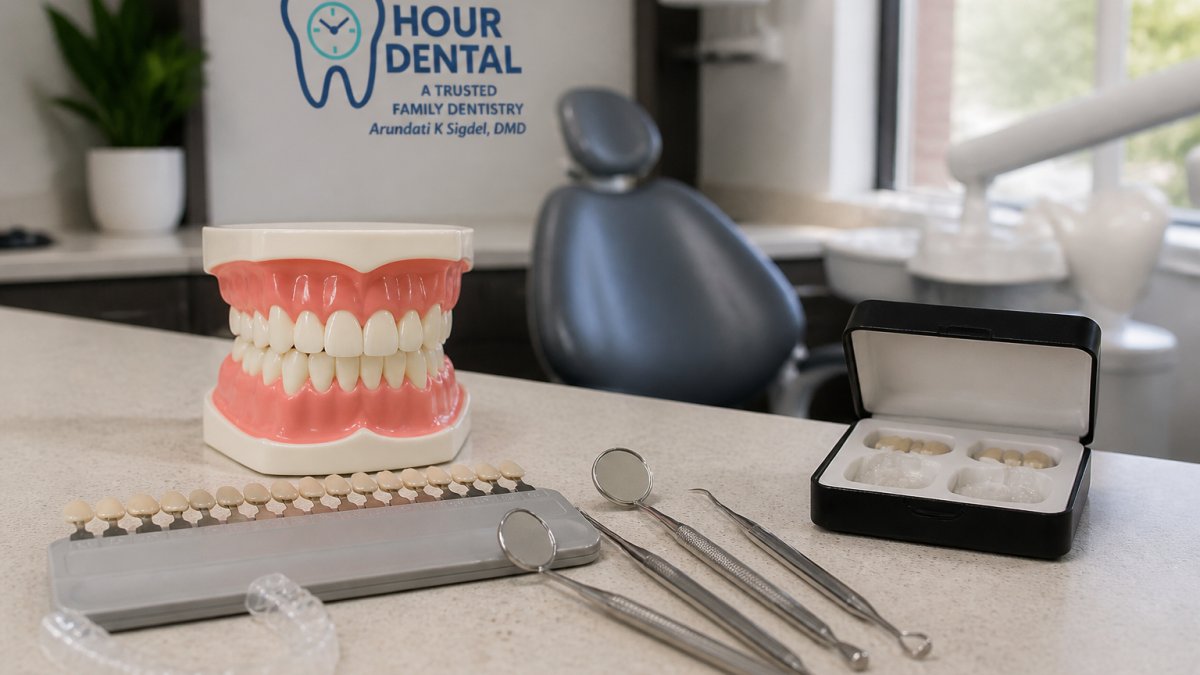
Fillings repair small to moderate cavities. A dentist removes the decayed portion, cleans the area, and fills it with a composite resin or amalgam so the tooth can bear normal chewing force again.
Crowns cover a tooth that has lost too much structure for a filling to hold. Bridges replace one or more missing teeth by anchoring an artificial tooth to the healthy teeth on either side.
| Treatment | Best For | Typical Visits |
|---|---|---|
| Filling | Small to moderate decay | One |
| Crown | Badly cracked or weakened tooth | Two |
| Bridge | One or a few missing teeth | Two to three |
| Implant | Single missing tooth, healthy jawbone | Multiple |
| Root canal | Infected or inflamed pulp | One to two |
| Dentures | Many or all teeth missing | Several |
Implants, Root Canals, and Dentures
An implant replaces a tooth root with a titanium post placed in the jawbone, topped later with a crown. It is the closest thing to a natural tooth in function, but it requires adequate bone and a commitment to healing time.
A root canal removes infected pulp from inside a tooth, then seals it. The procedure saves a tooth that would otherwise need extraction.
Dentures replace multiple or all missing teeth and are removable. Modern partial and complete dentures are fitted far more precisely than the versions many patients remember from decades ago.
Restorative vs Cosmetic Dentistry: What's the Difference?
The difference between restorative and cosmetic dentistry comes down to purpose, not procedure. Restorative dentistry restores damaged function. Cosmetic dentistry improves the appearance of teeth that are already structurally sound.
A crown placed on a cracked molar is restorative. A veneer placed on a healthy front tooth to change its shape is cosmetic. Teeth whitening is cosmetic. Bonding a chipped front tooth can be either, depending on whether the chip affects how the tooth functions.
The overlap is real, and that confuses people. A crown can be matched to your natural tooth color, which makes it look better, but the reason it exists is structural. Insurance often follows the same logic: coverage tends to hinge on whether the treatment is medically necessary, which is why a crown is frequently covered and whitening usually is not.
When You Might Need Restorative Dental Care
You may need restorative dental care when a tooth causes pain, breaks, or has visible damage that a cleaning cannot address. Common triggers include:
- Persistent toothache or sensitivity to hot and cold
- A cracked, chipped, or visibly broken tooth
- A cavity your dentist has been monitoring
- One or more missing teeth
- A filling that has worn down or fallen out
Pain is not always part of the picture. Some damaged teeth stay quiet until the problem is advanced, which is why regular exams catch issues that a mirror will not.
What Happens During a Dental Crown Procedure
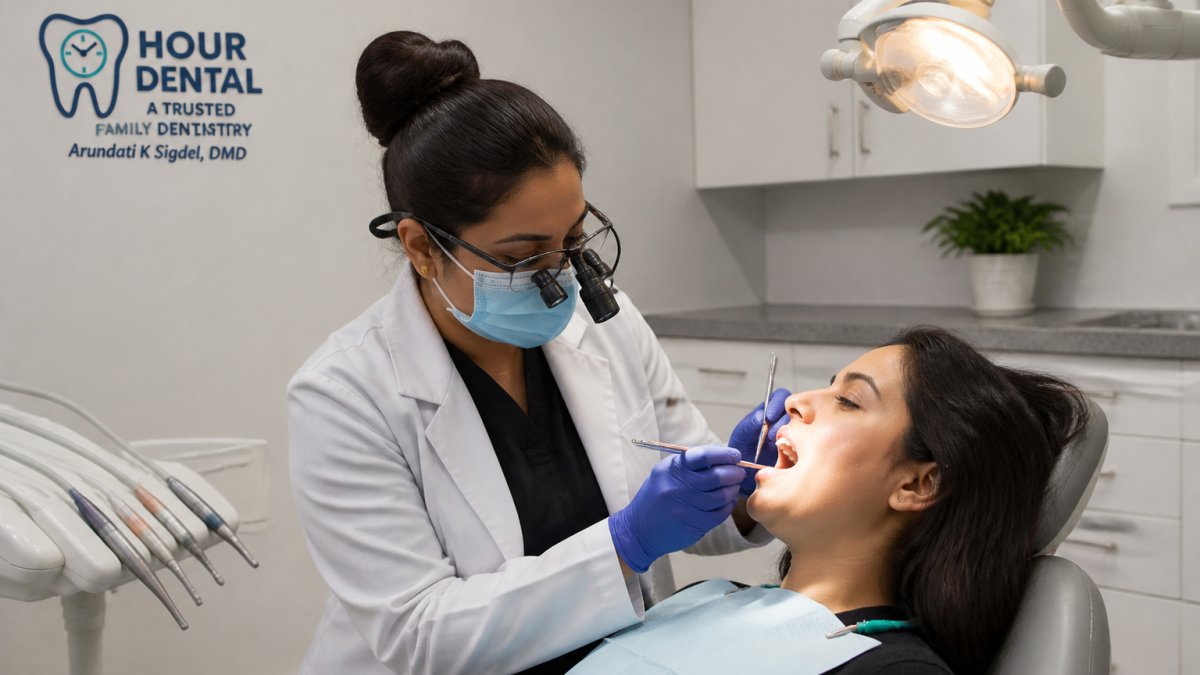
A dental crown procedure usually takes two appointments. At the first visit, your dentist numbs the area, reshapes the tooth to make room for the crown, and takes an impression or digital scan. You leave with a temporary crown.
Between visits, a lab fabricates the permanent crown to match your bite and color. At the second appointment, your dentist removes the temporary, checks the fit, and cements the permanent crown in place.
Most people return to normal eating within a day or two, though your dentist will likely advise avoiding very sticky or hard foods around the temporary. If the crown feels high when you bite, say so at the fitting rather than waiting. A small adjustment now prevents a sore jaw later.
Restorative Dentistry Recovery: What to Expect
Restorative dentistry recovery varies by procedure, and the honest answer is that it ranges from a few hours of numbness to several months of healing. A filling is typically the easiest; an implant is the longest.
- Fillings: Mild sensitivity for a few days is common. Most people eat normally the same day.
- Crowns and bridges: Sore gums around the treated area for a few days. Avoid sticky foods while wearing a temporary.
- Root canals: Tenderness for a few days, usually managed with over-the-counter pain relief. The tooth itself is no longer sensitive to temperature once the nerve is removed.
- Implants: Several months of healing while the bone integrates with the post. Soft foods during the early weeks help.
Call your dentist if pain worsens after the first few days, if a temporary crown comes loose, or if you develop swelling. Those are signals worth checking rather than waiting out.
How Hour Dental Supports Baltimore Patients Through Restorative Care
Hour Dental has served the Dundalk and Highlandtown communities for over 40 years. Dr. Arundati Kharel Sigdel leads a practice built around the patients who tell us they have avoided dentists for years, often because a past visit felt rushed.
What that looks like in practice: same-day emergency dental care for sudden pain or a broken tooth, a comfortable environment designed to lower anxiety, and a full range of services from general to cosmetic dentistry under one roof. If you are searching for restorative dental care near me in the Baltimore area, you can bring the whole family rather than bouncing between offices.
Our patients consistently leave five-star reviews.
Conclusion: Repairing Your Smile Starts With One Visit
Dental damage rarely improves on its own, and the cost of waiting is usually a more complicated fix. Whether you need a filling, a crown, or a conversation about a missing tooth, the first step is the same: an exam and a clear explanation of your options.
That is what Hour Dental offers patients across Baltimore County. Our team provides same-day emergency care, a calm and modern clinical environment, and personalized treatment for every member of the family. Get started with Hour Dental and book online to find out exactly what your smile needs.
Frequently Asked Questions
What is restorative dental care?
Restorative dental care is treatment that repairs teeth damaged by decay, injury, or wear so you can chew and speak comfortably again. It includes fillings, crowns, bridges, implants, root canals, and dentures. The goal is to bring back the function and structure of your teeth, not just improve how they look. If a tooth is chipped, cracked, missing, or infected, restorative dentistry is usually the category of care that addresses it.
Does restorative dentistry include dental implants?
Yes. Dental implants are a restorative option for replacing missing teeth. A titanium post is placed in the jawbone and topped with a crown that looks and works like a natural tooth. Implants are often recommended when a tooth is lost and the surrounding bone is healthy enough to support the post. Your dentist can explain whether an implant, bridge, or denture fits your situation best.
Is restorative dental care painful?
Most restorative dental procedures use local anesthesia, so you should not feel pain during treatment. Afterward, some soreness or sensitivity is normal for a few days, especially after a crown or implant. Over-the-counter pain relievers and soft foods usually help. If you have dental anxiety, tell your dentist before treatment starts so they can adjust their approach and keep you comfortable throughout the appointment.
Does dental insurance cover restorative dentistry?
Many dental insurance plans cover a portion of restorative care because it is considered medically necessary, unlike purely cosmetic work. Coverage levels vary by plan and procedure. Basic fillings are often covered at a higher percentage than crowns or implants. Check your specific plan's breakdown, and ask the dental office to verify your benefits before treatment so you know what to expect.