 listicle
Affordable Family Dentistry in Dundalk: 2026 Guide
Table of Contents
- What Affordable Family Dentistry in Dundalk Actually Costs
- Quick Comparison: Dental Care Options in Dundalk
- Maryland Healthy Smiles Dental Program: Who Qualifies and What It Covers
- Dental Payment Plans Dundalk Families Can Use
- Preventive Dental Care for Children: Building Habits That Last
- How to Choose a Family Dentist in Baltimore County
- Frequently Asked Questions
Last Updated: September 30, 2026
What Affordable Family Dentistry in Dundalk Actually Costs
Dental care in Dundalk, Maryland, is rarely one flat fee. Most practices, including Hour Dental, treat costs as a mix of routine preventive visits, one-time restorative work, and optional cosmetic treatment, so the total a family pays depends on what each person actually needs. This guide from Hour Dental walks through what drives those costs, how insurance and membership plans change the math, and how families in Baltimore County can keep dental spending predictable instead of reactive.
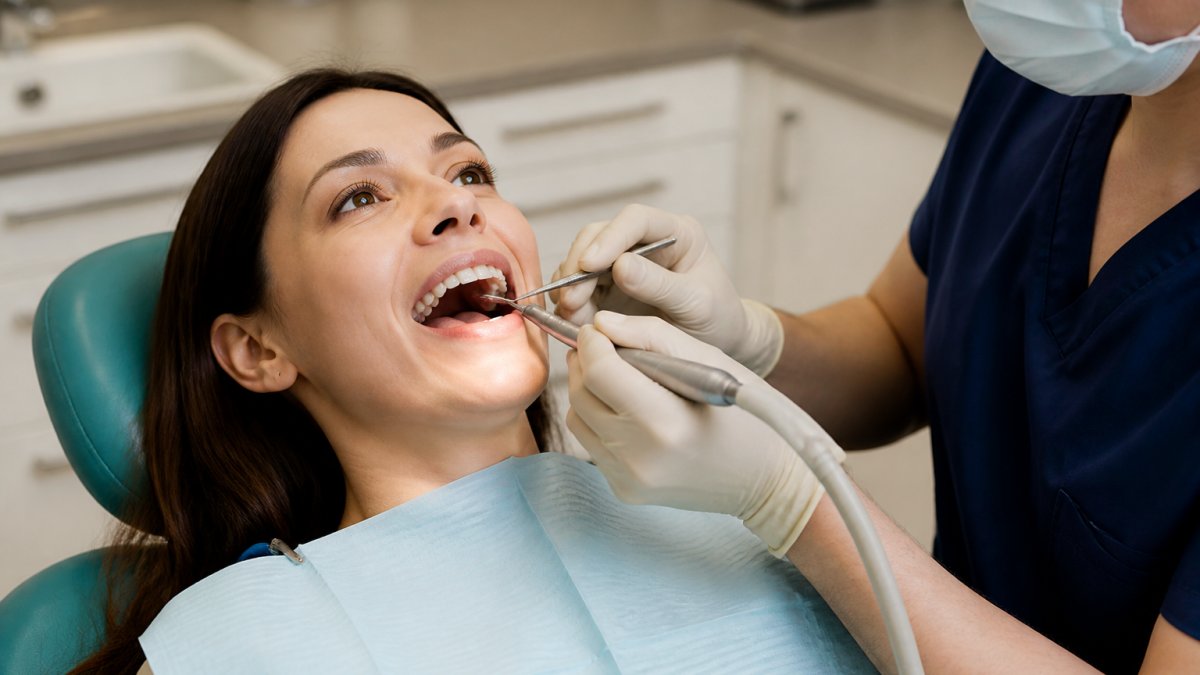
The biggest driver of cost is not the practice. It is timing. A small cavity caught at a six-month cleaning is a simple filling. The same cavity ignored for two years can become a root canal and a crown, and the price difference between those two outcomes is where most dental budgets get wrecked.
Typical Fees and What Drives the Price
Several factors move the number up or down, and none of them are random.
- Procedure type: Cleanings and exams sit at the low end. Crowns, implants, and root canals sit at the high end because they take more chair time and lab work.
- Insurance status: In-network rates are pre-negotiated, so the same procedure can cost less than the self-pay rate.
- Preventive vs. reactive care: Routine visits cost far less than emergency treatment for the same underlying problem.
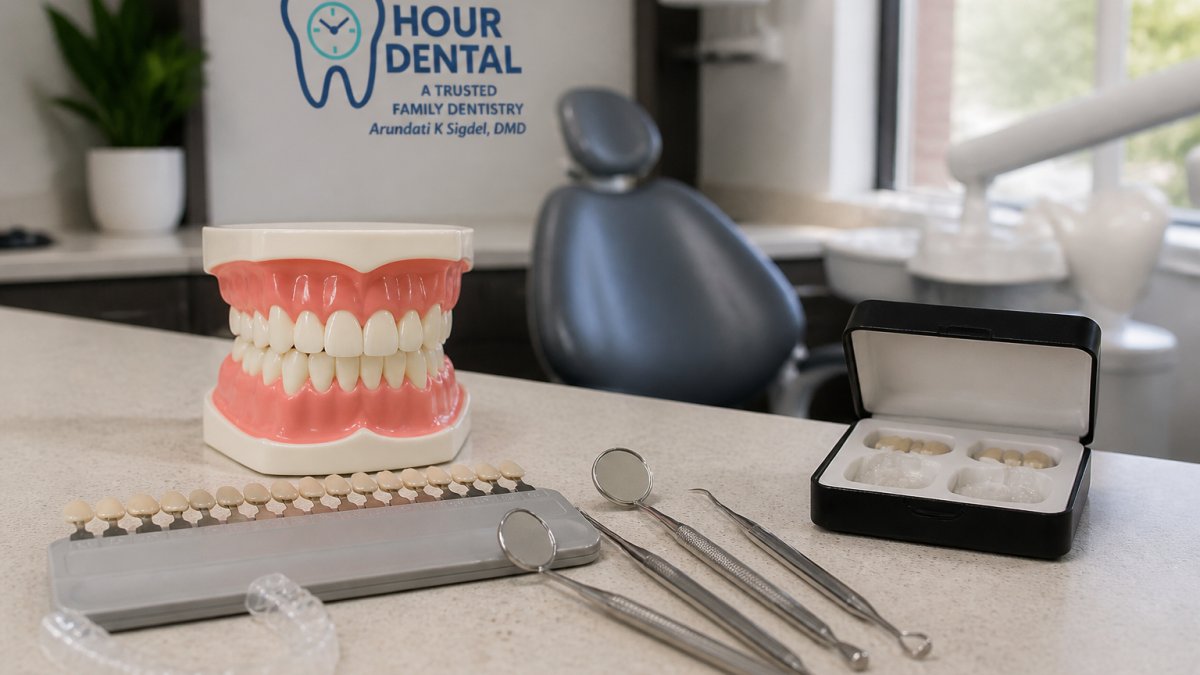
- Materials and lab work: A metal filling and a tooth-colored composite are not priced the same, and neither are two different crown materials.
Because Hour Dental does not publish a fixed fee schedule, the honest answer is that pricing depends on your specific treatment plan. Ask for a written estimate before any work begins.
Insurance, Self-Pay, and Membership Options
Families in Dundalk generally fall into three buckets: those with dental insurance through an employer, those paying out of pocket, and those in between, who have coverage but not enough of it. Each group has a different best move.
- Insured: Use in-network providers and confirm your annual maximum before scheduling anything beyond a cleaning.
- Uninsured: Ask about membership or in-house savings plans, which typically bundle routine visits at a fixed yearly cost.
- Underinsured: Combine your insurance benefit with a payment plan for anything the plan does not cover.
Quick Comparison: Dental Care Options in Dundalk
Dundalk families have more paths to affordable care than most people realize. The right choice depends on whether you have insurance, whether you need a long-term dental home, and how quickly you need to be seen.
| Option | Best For | Cost Structure | Coverage Notes |
|---|---|---|---|
| Hour Dental | Families wanting one practice for all ages | Fee-for-service, contact for pricing | General, restorative, cosmetic, and same-day emergency care |
| Maryland Healthy Smiles Dental Program | Low-income families and children who qualify | State program, free or low-cost | Eligibility requirements apply |
| Dental membership plans | Uninsured patients wanting predictable routine costs | Fixed subscription, billed periodically | Usually covers cleanings, exams, and X-rays |
| Dental insurance networks | Patients with employer coverage | Monthly premium plus copays | Coverage varies by plan |
| Community health resources | Uninsured patients comparing low-cost clinics | Free to search, varies by provider | Referral services, not direct care |
The pattern worth noticing: every option above trades something. Government programs trade flexibility for cost. Insurance trades premiums for negotiated rates. Membership plans trade a flat fee for predictable routine care. Hour Dental sits in the fee-for-service column, which means the practice quotes based on your actual treatment plan rather than a one-size-fits-all package.
Maryland Healthy Smiles Dental Program: Who Qualifies and What It Covers
The Maryland Healthy Smiles Dental Program is a state-run dental coverage program for eligible Maryland residents, administered through the state health department, and it covers preventive and restorative care for children and qualifying adults. It exists specifically so that cost is not the reason a family skips the dentist.
Eligibility is tied to income and, for children, to enrollment in Medicaid or the Children's Health Insurance Program. Coverage typically includes routine exams, cleanings, X-rays, fillings, and other medically necessary treatment. Because eligibility thresholds and covered services are set by the state and can change, the only reliable way to confirm your family qualifies is to check the official program page directly: Maryland Department of Health dental program information.
For families who do not qualify, the Maryland Dental Action Coalition maintains referral guidance and oral health resources for residents seeking lower-cost care. It is not a provider, but it is a solid starting point when you are trying to figure out which door to knock on.
Dental Payment Plans Dundalk Families Can Use
Dental payment plans split the cost of treatment into smaller, scheduled payments instead of one lump sum. Most practices offer some version of this, and for families facing a crown, a set of fillings, or orthodontic work, it is often the difference between treating the problem now and postponing it again.
A few practical approaches work well in this area:
- In-house payment plans: The practice spreads your balance over an agreed period. Ask about any interest or administrative fee up front.
- Third-party financing: An outside lender pays the practice and you repay the lender. Approval is usually fast, and terms vary widely.
- Membership or savings plans: You pay a fixed amount periodically and receive routine care plus a discount on larger procedures.
- Staged treatment: For multiple needed procedures, your dentist can sequence them across several months to spread out the cost.
Preventive Dental Care for Children: Building Habits That Last
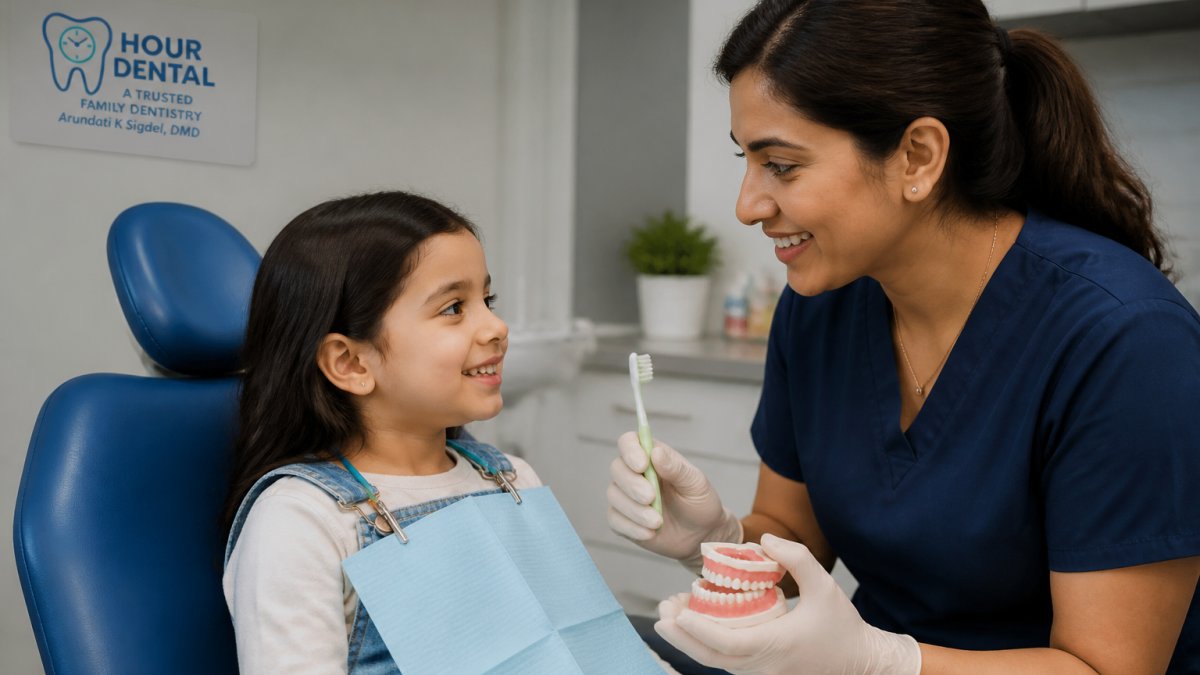
Preventive dental care for children is the cheapest dentistry there is, and it is the part families most often let slide when schedules get tight. A child who visits every six months and brushes properly needs far less restorative work than one who shows up only when something hurts.
What actually works, based on how pediatric habits form:
- Start early. A first visit by the time the first tooth appears or around the first birthday gets a child comfortable before fear has a chance to set in.
- Make brushing non-negotiable. Twice a day, two minutes, with a fluoride toothpaste appropriate for the child's age.
- Limit sugary drinks to mealtimes. Sipping juice or soda all afternoon keeps teeth bathed in acid.
- Sealants on back teeth. These coat the chewing surfaces where cavities most commonly start.
- Model the behavior. Kids who watch a parent brush and floss are far more likely to keep doing it themselves.
How to Choose a Family Dentist in Baltimore County
Choosing a family dentist in Baltimore County comes down to four things: whether the practice treats every age in your household, whether it can handle emergencies, whether the pricing is transparent, and whether you actually feel comfortable there. Get those four right and you will not be switching again in two years.

- Does the practice see children and adults under one roof, or will you be driving to multiple offices?
- Can they get you in same-day for a broken tooth or sudden pain?
- Will they give you a written treatment estimate before work begins?
- Do they offer payment plans or membership options for uninsured patients?
- Do they handle both general and cosmetic work, so you are not referred out for a whitening or a veneer?
- How long has the practice served the local community?
Frequently Asked Questions
How can I find affordable dental care in Dundalk, MD?
Start by checking whether you qualify for the Maryland Healthy Smiles Dental Program, which provides low-cost coverage for eligible children and adults. If you have private insurance, use your provider's online directory to filter for in-network dentists in the Dundalk area. For uninsured patients, ask local practices directly about self-pay rates, membership plans, and payment schedules. Some offices also offer discounts for paying in full at the time of service.
Does Maryland Medicaid cover dental services for adults?
Maryland's Medicaid program, administered through Maryland Healthy Smiles, provides dental coverage for eligible adults. Covered services typically include preventive care, exams, cleanings, and certain restorative treatments. Eligibility depends on income and household size. Because coverage details and enrollment rules can change, contact Maryland's Department of Health directly or visit the official Healthy Smiles website to confirm what your specific plan includes and which Dundalk providers accept it.
What should I look for in a family dentist in Baltimore County?
Look for a practice that treats all ages, offers both preventive and restorative services under one roof, and has experience with anxious patients. Ask about same-day emergency availability, whether the office accepts your insurance, and what payment plans they offer. Read recent patient reviews to gauge bedside manner and wait times. You want a dentist who will build a long-term relationship with your family, not just handle one appointment.
Are there dentists in Dundalk that offer payment plans?
Yes, several practices in the Dundalk area offer dental payment plans Dundalk families can use to spread costs over time. These may be in-house arrangements or third-party financing through companies like CareCredit. Some offices also offer membership plans that bundle cleanings, exams, and X-rays for a flat fee. Call ahead and ask specifically what financing options are available, what the terms are, and whether there are interest charges.
How often should children visit the dentist for checkups?
Most dental professionals recommend children visit the dentist every six months for routine exams and cleanings, starting when their first tooth appears or by their first birthday. Children at higher risk for cavities may need more frequent visits. These appointments are the foundation of preventive dental care for children because they catch problems early and help kids build comfort with the dentist. Ask your child's dentist what schedule is right for their specific needs.